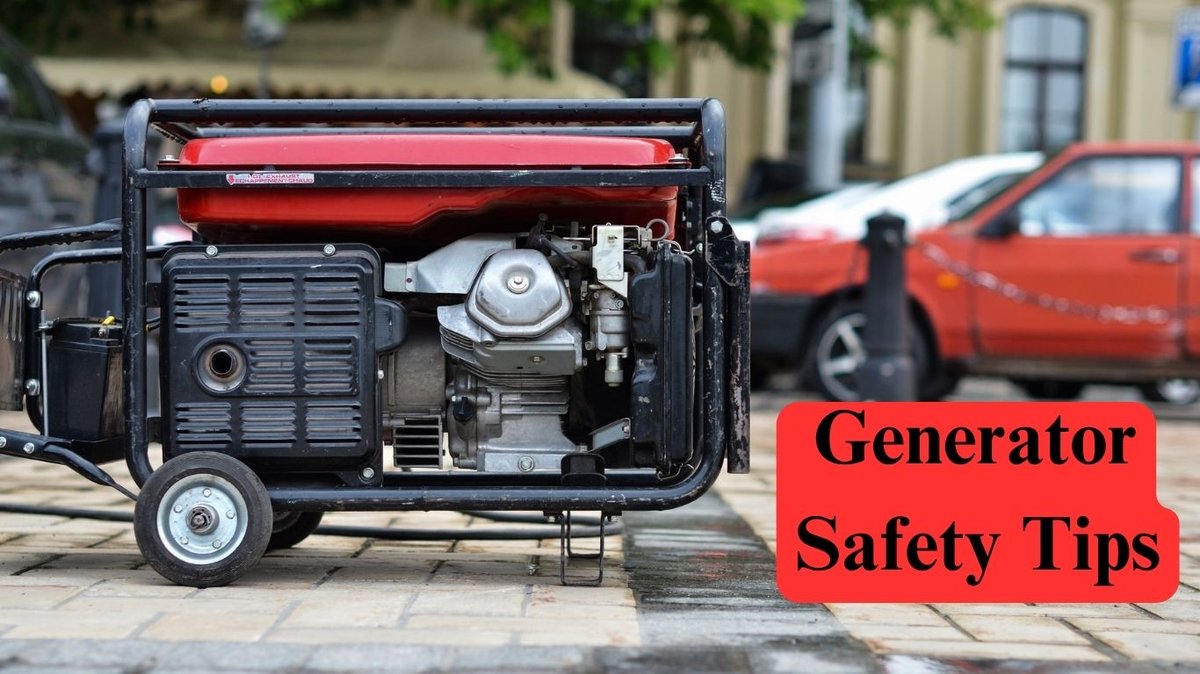
When the power grid falters, a reliable standby generator isn't just a convenience—it's often a critical lifeline. From keeping businesses operational to ensuring essential services run smoothly, these powerful machines stand ready to bridge the gap. But their readiness isn't accidental. It's the direct result of diligent Generator Safety, Maintenance, and Operation Best Practices that transform a complex piece of machinery into a dependable safeguard. Neglecting these practices not only risks system failure when you need it most but can also lead to costly repairs, regulatory fines, and dangerous situations.
This isn't just about flipping a switch; it's about understanding a sophisticated system, respecting its power, and maintaining its health. For commercial facilities, schools, data centers, and critical infrastructure, a robust generator strategy isn't optional—it's fundamental to resilience.
At a Glance: Key Takeaways for Generator Reliability
- Proactive maintenance is non-negotiable: Don't wait for an outage to discover a problem. Regular checks, testing, and service extend lifespan and ensure readiness.
- Safety first, always: Understand and adhere to all regulatory guidelines, from exhaust ventilation to fuel storage and proper grounding. Disconnect power before any servicing.
- Know your generator's anatomy: Familiarize yourself with key components (engine, fuel system, cooling, control panel) to better monitor its health.
- Follow manufacturer guidelines: These are your primary instruction manual and supersede all general advice.
- Regular load testing is vital: Operating your generator under actual load conditions is the only true test of its readiness.
- Document everything: Maintain detailed logs of all inspections, maintenance, repairs, and operational parameters for trend analysis and compliance.
- Qualified personnel only: Installation, maintenance, and major repairs should always be performed by certified technicians.
- Understand fuel management: Proper storage, monitoring for degradation, and treatment are crucial for consistent performance.
Your Lifeline in the Dark: Why Backup Power Demands Respect
Imagine a critical power outage: data servers going dark, manufacturing lines halting, essential communication systems failing, or even life-support equipment losing power. This isn't a hypothetical scenario for many commercial and industrial facilities; it's a potential disaster that a properly functioning standby generator is designed to prevent. Unlike emergency generators, which are typically mandated by code for specific life-health-safety loads (Level 1 systems), standby generators (often classified as Level 2 by NFPA 110) provide general backup power, ensuring business continuity and operational stability when the primary grid goes down.
These self-contained powerhouses consist of an internal combustion engine, fueled by diesel, natural gas, propane, or gasoline, coupled with an electric generator. They spring to life automatically, thanks to an automatic transfer switch (ATS) that seamlessly shifts your facility's power supply from the utility grid to the generator, then back again when grid power is restored. Whether your unit is a stationary system hardwired into your building's electrical infrastructure—a requirement by the National Electrical Code (NFPA 2020) for safety—or a mobile unit, its purpose remains the same: reliable, on-demand electricity.
Understanding how an automatic transfer switch (ATS) works is crucial to appreciating the seamless transition your generator provides, ensuring minimal disruption during outages.
Unpacking Your Powerhouse: Anatomy of a Standby Generator
To effectively maintain and operate a standby generator, you first need to understand its core components. Each part plays a vital role and demands specific attention to ensure the entire system functions as a cohesive, dependable unit.
- The Engine: This is the heart of your generator, converting fuel into mechanical energy. Its health directly impacts power output and fuel efficiency. Regular checks on oil levels, filters, and general condition are paramount.
- The Generator (Alternator): This component translates the engine's mechanical energy into usable electricity. It's designed for specific power output (kilowatts [kW]) and phase (single or three-phase, depending on your facility's needs).
- Fuel Supply System: From the tank holding your diesel or propane to the intricate network of piping, pumps, filters, and injectors, this system ensures a steady, clean supply of fuel to the engine. Degradation of fuel, especially diesel, can be a silent killer of generator performance. Proper management of different generator fuel types and their storage requirements is a cornerstone of reliability.
- Lubrication System: Housing oil in a sump or reservoir, this system keeps moving parts operating smoothly, preventing friction and wear that could lead to catastrophic failure. Oil quality and levels are critical.
- Cooling System: Generators generate significant heat. A pump circulates coolant through the engine and radiator, where a fan dissipates heat, preventing overheating and engine damage. Coolant levels and condition are essential.
- Starting System: This is what brings your generator to life, often involving a starter motor and, for larger units, potentially compressed air.
- Exhaust System: Crucial for safety and environmental compliance, this system directs harmful exhaust gases away from the generator and any occupied areas. Proper installation and integrity are non-negotiable.
- Control Panel: Your generator's brain, monitoring vital parameters like oil pressure, coolant temperature, current, voltage, and frequency. It allows for manual control and provides diagnostics. A system controller governs the entire start-to-shutoff sequence.
- Air Intake System: Ensures a clean, steady supply of combustion air for the engine, filtering out debris that could cause damage.
- Batteries & Battery Charger: These provide the initial burst of power to start the generator. A dedicated battery charger, typically connected to utility power, keeps them ready. Weak or dead batteries are a common cause of starting failures.
Often, the entire assembly is housed within a protective enclosure, a dedicated building, or integrated seamlessly into a larger facility's infrastructure, designed to protect these vital components from the elements.
Beyond the Box: Regulations, Safety, and Environmental Stewardship
Operating a standby generator isn't a free-for-all; it's a regulated activity. Federal, state, and local regulations dictate everything from installation permits to ongoing operational requirements, including stringent emissions certifications and renewals. Before you even think about operation, specific safety and environmental actions are required, and your generator will be subject to periodic inspection.
The NFPA 110 Standard for Emergency and Standby Power Systems (NFPA 2019) is an indispensable guide, providing comprehensive requirements for generator installation, maintenance, and testing. Furthermore, installation, repair, and maintenance must always adhere to applicable building codes and, critically, the manufacturer's specific instructions. Deviating from these can not only void warranties but also create hazardous conditions.
Understanding navigating generator emissions regulations is increasingly important for compliance and avoiding penalties.
Supplemental Safety Guidelines You Must Follow:
- Exhaust System Integrity: Ensure exhaust systems are properly installed with adequate ventilation, directing emissions safely away from all air intakes, doors, windows, and populated areas. Carbon monoxide is an odorless, deadly gas.
- Clearance and Combustibles: Maintain a clean, unobstructed area around the generator, free of combustible materials like dry leaves, rags, or fuel spills. This minimizes fire risk and allows for safe access.
- Lock-Out/Tag-Out: Before performing any service, turn off and disconnect ALL power supplies to the generator, including batteries. This prevents accidental starts and electrical shock.
- Proper Grounding: The generator frame must have a proper earthing ground to protect against electrical faults.
- Fuel Storage and Management: Keep fuel sources cool, dry, and secure. Regularly monitor fuel for degradation (especially diesel "polishing") and treat it according to supplier specifications to prevent sediment and microbial growth.
- Qualified Personnel: Only trained, qualified personnel should install, repair, or maintain generators. High voltages, heavy machinery, and explosive fuels demand expert handling.
The Heartbeat of Reliability: Crafting a Robust Maintenance Program
A standby generator is an investment in continuity, but that investment only pays off if the system is reliable. This reliability isn't a given; it's forged through a rigorous, proactive maintenance program. Adopting preventive and predictive maintenance isn't just "good practice"—it's critical for ensuring proper and efficient function, improving system performance, increasing operating life, and protecting your valuable asset.
Your Golden Rule: Manufacturer's Recommendations First
Always, without exception, follow the manufacturer’s maintenance recommendations provided in your generator's owner's manual. These instructions are specific to your model and supersede any general checklists or guidance. For auxiliary components (like specific transfer switches or fuel polishing systems), consult their individual owner’s manuals.
Maintenance should only be conducted by qualified personnel, ideally certified technicians experienced with your generator's make and model. Every activity, from a visual inspection to a major overhaul, must be meticulously logged for documentation, warranty purposes, and trend analysis.
Let's break down the layers of a robust maintenance program:
The Daily/Weekly Check-Up: Your Eyes and Ears on the Ground
These are quick, visual inspections that can catch minor issues before they escalate.
- Visual Inspection: Look for leaks (fuel, oil, coolant), loose wires, damaged hoses, or unusual wear.
- Fluid Levels: Check engine oil, coolant, and fuel levels. Top off as needed with appropriate fluids.
- Battery Condition: Inspect battery terminals for corrosion and ensure connections are tight. Check electrolyte levels if applicable.
- Area Cleanliness: Confirm the area around the generator is clear of debris, obstructions, and fire hazards.
- Control Panel Status: Check the control panel for any active alarms or fault codes. Confirm the battery charger is operating.
- Exhaust System: Look for any visible damage or obstructions in the exhaust piping.
Monthly/Quarterly Drills: Simulating Reality with Load Testing
Beyond visual checks, your generator needs to prove it can perform under demand. This is where load testing comes in. Standby generators should be exercised regularly, typically monthly or quarterly, under a minimum specified load (e.g., 30% of rated capacity) for a set duration (e.g., 30-60 minutes).
- Why Load Testing Matters: Running a generator with insufficient load (known as "wet stacking") can lead to unburnt fuel and carbon buildup in the exhaust system, causing performance issues and potential damage. The benefits of regular generator load testing cannot be overstated for long-term reliability.
- Monitoring During Tests: If your generator is integrated into a Building Automation System (BAS), track critical parameters like run hours, exhaust temperature/composition, and fuel rate. For non-BAS generators, manually record system parameters (voltage, amperage, frequency, oil pressure, coolant temperature) and perform visual emissions observations.
- Acting on Deviations: Any deviations from compliance or manufacturer specifications must be noted, trended, and acted upon promptly.
Annual Overhauls & Professional Service: The Deep Dive
Once a year, or after a certain number of operating hours (as specified by the manufacturer), your generator requires a more comprehensive service by qualified technicians. This often includes:
- Fuel System Service: Fuel filter replacement, fuel tank inspection, fuel quality testing, and potential fuel polishing.
- Oil and Filter Change: Replacing engine oil and oil filters.
- Cooling System Flush: Inspecting hoses, belts, and potentially flushing the coolant system.
- Air Filter Replacement: Ensuring clean air intake.
- Battery Load Test: Comprehensive testing of battery health and charging system.
- Valve Lash Adjustment: (As needed, per manufacturer).
- Electrical System Inspection: Checking connections, wiring, and transfer switch functionality.
- Controller Diagnostics: Downloading fault logs and ensuring the control panel is functioning correctly.
Organizations should budget and plan for these routine maintenance costs, which, for a 300 kW standby generator operating under 200 hours per year, can range from $8,000 to $10,500 annually, covering both fixed ($/kW) and variable ($/kWh) components (NREL 2014, 2019). This investment is far less than the cost of an unexpected failure during a critical outage.
A comprehensive preventive maintenance checklist for generators can guide your routine, but remember to always defer to your manufacturer's specific manual.
Operating with Confidence: Best Practices When the Lights Go Out
Maintenance ensures your generator can run; operation best practices ensure it runs effectively and safely when it's called upon.
Fueling Your Lifeline: Storage, Quality, and Management
The type of fuel your generator uses significantly impacts its operation and storage needs. Different generator fuel types like diesel, natural gas, gasoline, and propane each have unique characteristics.
- Diesel: Requires treatment to prevent degradation, microbial growth ("diesel bug"), and sediment formation, especially in long-term storage. Monitor fuel clarity and consider regular fuel polishing.
- Natural Gas/Propane: Generally cleaner burning and have longer shelf lives in their respective storage systems, but require secure piping and adequate supply pressure.
- Storage: Keep fuel sources cool, dry, and away from ignition sources. Ensure tanks meet all local codes and are routinely inspected for leaks or damage.
Starting Up Smart: Pre-checks and Controlled Activation
For most commercial standby generators, an ATS handles activation automatically. However, understanding the process and knowing how to intervene safely is vital.
- ATS Role: When utility power fails, the ATS senses the outage, signals the generator to start, and once stable power is achieved, transfers the electrical load. When utility power returns, it shifts the load back and signals the generator to cool down and shut off.
- Manual Start Considerations: If a manual start is necessary, always perform a quick visual inspection first, checking for immediate hazards, adequate fuel, and open vents. Follow the manufacturer's specific start-up sequence precisely.
- Cool-down Period: Generators require a cool-down period after running under load. The ATS typically manages this automatically, allowing the engine to run without load for a few minutes before shutting down, which is crucial for engine longevity.
Monitoring During Operation: What to Watch For
While the generator is running, whether during an exercise or an actual outage, continuous monitoring is essential.
- Control Panel Alerts: Pay close attention to any alarms, warnings, or fault codes displayed on the control panel. These indicate immediate issues that may require professional intervention.
- Critical Parameters: Keep an eye on oil pressure, coolant temperatures, output voltage, frequency, and current draw. Deviations from normal operating ranges can signal impending problems.
- Unusual Noises or Smells: Any new or unusual noises, vibrations, or smells (e.g., burning oil, electrical ozone) should be investigated immediately by qualified personnel.
- Exhaust Observations: Visually inspect exhaust for excessive smoke of unusual color (e.g., blue smoke indicating oil burning, black smoke indicating incomplete combustion).
Safe Shutdown Procedures
Once the need for backup power has passed and the ATS has transferred the load back to utility power, the generator will typically enter its cool-down phase and then shut down.
- Allow Cool-down: Never manually shut down a generator immediately after it has been running under a significant load. The cool-down cycle is essential to prevent thermal shock and extend engine life.
- Post-Operation Check: After shutdown, perform another quick visual check for any leaks, unusual conditions, or new fault codes. Ensure the battery charger is active and the unit is ready for the next call.
Common Generator Misconceptions & Quick Troubleshooting Tips
Even with the best practices, questions and minor issues can arise. Here are some common misconceptions and quick troubleshooting points.
- "My generator runs fine; I don't need maintenance."
- Reality Check: This is perhaps the most dangerous misconception. A generator might seem fine during a short test, but without proper maintenance, critical components can degrade silently, leading to catastrophic failure during a prolonged, real-world outage. Would you trust an airplane that only gets "checked out" once it's already in the air?
- "I can just plug my house into it or wire it myself."
- Reality Check: Absolutely not! Backfeeding power into the utility grid without an approved automatic transfer switch (ATS) is incredibly dangerous. It can electrify utility lines, endangering linemen and potentially causing severe damage to your generator or electrical system. This is why understanding how to safely hook up a generator to your house through a properly installed ATS is not just a recommendation but a legal and safety mandate.
- "Any mechanic can fix my generator."
- Reality Check: While general mechanics have valuable skills, generators are specialized equipment. High-voltage electrical systems, complex engine controls, and specific fuel systems require technicians with specialized training and certifications. Improper repairs can void warranties and create safety hazards.
- Quick Troubleshooting (Before Calling a Pro):
- "My generator won't start." Check fuel levels, ensure the battery charger is on and batteries are charged, and look for any obvious tripped circuit breakers on the generator or control panel.
- "Generator starts but immediately shuts down." Check for low oil pressure, high coolant temperature, or active fault codes on the control panel. These are often safety shutdowns.
- "No power output." Ensure the main breaker on the generator is engaged and check the transfer switch position.
For anything beyond these basic checks, always consult your owner's manual and, if needed, call a qualified generator technician.
The Investment in Peace of Mind: Budgeting for Generator O&M
Thinking about generator safety, maintenance, and operation best practices also means thinking about the budget. O&M costs aren't merely an expense; they're an investment in ensuring your critical infrastructure remains resilient. These costs vary significantly with generator size, operating profile (how often and how long it runs), fuel type, and the comprehensiveness of your maintenance plan.
As reported by the National Renewable Energy Laboratory (NREL), maintenance costs for generators are typically a combination of fixed costs (per kilowatt) and variable costs (per kilowatt-hour). While an annual budget of $8,000 to $10,500 for a 300 kW standby generator running less than 200 hours a year might seem substantial, consider the alternative: the lost revenue, data loss, safety risks, and potential regulatory fines associated with a generator that fails when it's most needed. Investing in a robust O&M program is far more cost-effective than dealing with the aftermath of a preventable failure.
This foresight ensures your generator is not just a piece of equipment, but a true asset, ready to provide reliable backup power for years to come, effectively extending your generator's operational lifespan.
Your Next Step: Secure Your Business, Safeguard Your Operations
The complexity of modern facilities demands that backup power systems function flawlessly. Adopting comprehensive Generator Safety, Maintenance, and Operation Best Practices isn't just about ticking boxes; it's about building resilience into the very fabric of your operations. From understanding the intricate dance of its components and adhering to strict regulatory requirements, to implementing a rigorous preventive maintenance schedule and training your team on operational best practices, every step contributes to reliability.
Don't leave your backup power to chance. Partner with certified professionals for installation, ongoing maintenance, and complex repairs. Develop an internal culture that prioritizes generator readiness, treats fuel management as critical, and meticulously logs every action. By doing so, you're not just ensuring the lights stay on; you're securing your business, protecting your people, and guaranteeing peace of mind when the unexpected occurs.