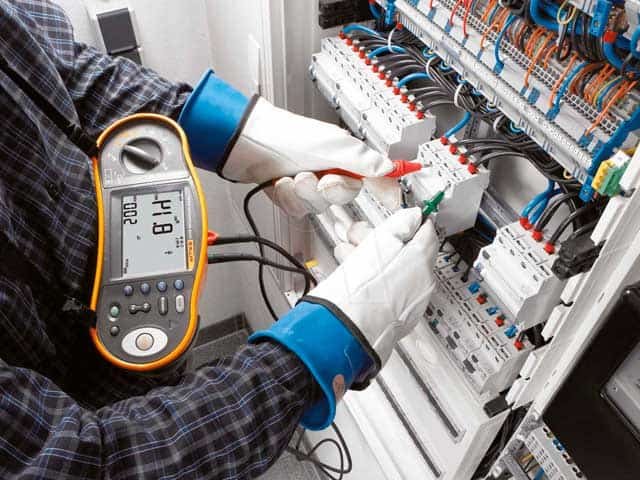
Imagine a homeowner proudly finishing a DIY electrical project, only to find flickering lights, tripped breakers, or worse—a dangerous wiring fault silently waiting to ignite a fire. Or a business owner facing hefty fines and forced demolitions because a hurried renovation bypassed essential safety checks. These scenarios underscore a fundamental truth: when it comes to electricity, guesswork isn't just risky, it's potentially catastrophic. That's why Understanding Electrical Codes, Permits, and Professional Guidance isn't merely good advice; it's a non-negotiable cornerstone of safety, efficiency, and legal compliance for any electrical work, big or small.
Navigating the world of electrical regulations might seem daunting at first glance. Acronyms like NEC, GFCI, and NFPA 70 can feel like a foreign language, and the sheer volume of rules might tempt you to cut corners. But this isn't just about avoiding a fine; it's about protecting lives, property, and your peace of mind. Let's demystify these critical components, transforming them from complex hurdles into clear pathways for safe, reliable electrical systems.
At a Glance: Your Quick Guide to Electrical Safety
- Electrical Codes (like the NEC) are the essential rulebooks for safe wiring, preventing hazards like shocks and fires.
- Compliance is Mandatory in most areas, protecting you legally and ensuring your property value.
- Permits are official approvals required before you start work, signaling your intent to follow code.
- Inspections are checks by local authorities to verify work meets code after completion.
- Professional Guidance from licensed electricians or engineers is crucial for complex or even many simple projects to ensure safety and compliance.
- Skipping Codes or Permits can lead to dangerous installations, legal issues, insurance problems, and costly repairs down the line.
- Stay Updated as codes evolve every few years; what was okay yesterday might not be today.
The Silent Protectors: What Electrical Codes Really Are
At its heart, an electrical code is a meticulously developed set of rules and standards for electrical installations. Think of it as the ultimate blueprint for electrical safety, designed by experts to protect everyone from the inherent dangers of electricity. In the United States, the gold standard is the National Electrical Code (NEC), also known as NFPA 70. This comprehensive document is developed by the National Fire Protection Association and gets updated every three years to reflect new technologies, materials, and safety insights.
Local jurisdictions then adopt these national codes, sometimes with specific amendments to suit regional needs, making them legally binding. This ensures a consistent baseline of safety across different areas, protecting both people and property from electrical hazards like shocks, electrocution, and fires. It's not just about wires and circuits; it's about minimizing accidents and safeguarding your investments.
Why You Can't Afford to Ignore Electrical Safety & Codes
Ignoring electrical codes isn't just a gamble; it's a surefire way to invite disaster. The importance of adhering to these standards cannot be overstated, touching every aspect from personal well-being to property value.
Safety: The Unwavering Priority
This is the primary reason codes exist. Every specification, from wire gauge to outlet placement, is designed to mitigate risks. Proper grounding prevents shocks, circuit breakers avert overloads that could spark fires, and correct installation methods protect against faulty connections. Without these guidelines, electrical systems become ticking time bombs, jeopardizing lives and property.
Legal Compliance: Staying on the Right Side of the Law
Adherence to electrical codes is rarely optional. In most regions, it's a legal mandate. Non-compliant work can lead to:
- Fines and Penalties: Local authorities can issue substantial fines.
- Stop-Work Orders: Projects can be halted until issues are rectified.
- Mandatory Redoes: You might be forced to tear out and redo work that doesn't meet code, often at significant cost.
- Insurance Nightmares: In the event of an electrical fire or accident, your insurance claim could be denied if the cause is linked to unpermitted or non-code-compliant work.
System Efficiency: Powering Smarter, Not Harder
Codes aren't just about safety; they also promote efficiency. By requiring accurate load calculations and appropriate wire sizing, they prevent energy waste from overheating wires and overloaded circuits. This translates into lower operational costs and a more reliable electrical system, whether in a home or a commercial building.
Future-Proofing: Building for Tomorrow
An installation that meets current codes is inherently more adaptable. It means your wiring can handle modern appliances and future technological advancements without requiring immediate, costly overhauls. This foresight saves money and hassle down the road.
Property Value: A Compliant Home is a Valuable Home
When it comes time to sell, a property with code-compliant electrical work is a significant asset. Buyers are often wary of homes with unpermitted or questionable electrical systems, which can lead to complications with financing, home inspections, and insurance. A clean bill of electrical health, backed by permits and inspections, enhances your property's marketability and value. Conversely, non-compliant work can significantly decrease value and even make a sale impossible without remediation.
Decoding the Rules: What Electrical Codes Cover (and Why it Matters)
Electrical codes are incredibly detailed, covering virtually every aspect of an electrical installation. Understanding these key areas helps you grasp the bigger picture of why certain rules exist.
The Building Blocks: Wiring Methods & Materials
This section specifies everything from the types of conductors (e.g., copper, aluminum) to how they must be installed. It dictates wire gauges based on current loads, insulation types for different environments (like moisture-prone areas or high-temperature zones), and approved conduits or sheathing methods. Using the wrong wire for a given application is a recipe for disaster, risking overheating and fire.
Your Electrical Bodyguards: Circuit Protection
Circuit breakers and fuses are the first line of defense against overloads and short circuits. Codes mandate their correct sizing and placement to protect wiring and appliances. They ensure that if too much current flows, the power is safely interrupted before damage or fire can occur. This is fundamental to preventing an overloaded circuit from becoming a serious hazard.
Safety's Foundation: Grounding & Bonding
Proper grounding and bonding are critical for personnel safety and equipment protection. Grounding provides a safe path for fault current to return to the earth, preventing electrical shock in case of an insulation failure. Bonding ensures that all conductive materials are at the same electrical potential, reducing the risk of shock by preventing dangerous voltage differences between surfaces. Missteps here are incredibly dangerous.
Don't Overload: Load Calculations for Smarter Power
Before any wiring is run, codes require accurate load calculations. This means determining the total electrical demand of all devices and appliances that will be connected to a circuit. These calculations dictate the appropriate wire sizes, circuit breaker ratings, and even the overall capacity of your electrical panel. Skimping on this can lead to constantly tripped breakers, flickering lights, and, critically, overheated wires and fire hazards.
The Nerve Centers: Panel & Junction Box Requirements
Electrical panels (breaker boxes) and junction boxes are where wires connect and circuits are managed. Codes specify critical installation details:
- Accessibility: Panels and boxes must be readily accessible for maintenance and emergencies.
- Clearance: Specific clear spaces around panels are required for safety and workability.
- Fill Limits: Junction boxes have limits on the number of wires they can safely contain to prevent overheating and make future work safer.
- Covers: All boxes must have proper covers to prevent accidental contact with live wires.
Strategic Plugs: Smart Outlet Placement
Even something as seemingly simple as outlet placement is covered by codes. They provide guidelines for the number of outlets per room, their spacing, and specific requirements for areas with potential water exposure, such as kitchens, bathrooms, and outdoor spaces. This is where Ground Fault Circuit Interrupter (GFCI) outlets become crucial, quickly shutting off power if a ground fault is detected, significantly reducing the risk of shock in wet locations.
Navigating the Bureaucracy: Permits, Inspections, and Why They're Non-Negotiable
Codes are the "what"; permits and inspections are the "how" and "when" for ensuring compliance. They are the administrative backbone of electrical safety, designed to provide official oversight and verification.
The Green Light: When Do You Need an Electrical Permit?
In almost all jurisdictions, any new electrical installation, modification, or major repair requires an electrical permit before work begins. This isn't just a formality; it's your official declaration to the local building department that you intend to perform electrical work according to code.
Examples of work typically requiring a permit include:
- Adding new circuits or outlets.
- Rewiring a room or an entire house.
- Upgrading an electrical panel.
- Installing new light fixtures or appliances that require dedicated circuits.
- Running new wiring to an addition or basement finish.
- Installing complex systems like a whole-home generator – a project that absolutely requires careful adherence to codes and permits. If you're considering how to hook up a generator to your house, remember that a permit and professional installation are non-negotiable for safety.
The permit process typically involves submitting a plan or description of the work to be done, paying a fee, and then receiving approval to start. It's a critical first step.
What Happens During an Electrical Inspection?
Once permitted work is complete (or at certain stages for larger projects), a qualified electrical inspector from the local building department will visit the site. Their job is to verify that all electrical work has been installed according to the adopted codes.
The inspector will check:
- Wiring: Correct gauges, insulation, proper routing, and secure connections.
- Circuit Protection: Correct breaker sizing and type.
- Grounding and Bonding: Proper installation and continuity.
- Panel and Box Integrity: Proper installation, clearances, and covers.
- Outlets and Switches: Correct type (e.g., GFCI/AFCI where required), secure installation.
- Overall Workmanship: Ensuring a safe, neat, and professional installation.
If the work passes inspection, it's approved. If not, the inspector will issue a list of deficiencies, requiring corrections before a re-inspection and final approval.
The Cost of Skipping Steps: Risks of Unpermitted Work
Skipping permits and inspections might seem like a shortcut to save time or money, but it's a gamble with severe consequences:
- Safety Hazards: Uninspected work is a leading cause of electrical fires, shocks, and carbon monoxide poisoning. You simply don't know if it's safe.
- Legal Trouble: Fines, forced demolitions, and difficulties selling your home due to unpermitted work are common. Some jurisdictions even levy daily fines until the work is brought to code and approved.
- Insurance Issues: Most insurance policies have clauses against covering damage caused by unpermitted or non-code-compliant modifications. An electrical fire from unpermitted work could leave you uninsured.
- Resale Headaches: Home inspectors will flag unpermitted work, making it difficult or impossible to sell your property without expensive remediation and retrospective permitting. Buyers will demand proof of safety and compliance.
- Discovery During Other Projects: Even if you get away with it initially, unpermitted work often comes to light during future permitted projects (e.g., a kitchen remodel revealing unpermitted wiring from a previous owner), leading to forced remediation.
The Pro's Touch: When to Call in Professional Guidance
While some minor electrical tasks might seem simple, the risks involved mean that professional guidance is often the safest and smartest route. Knowing your limits is paramount.
DIY vs. DI-Don't: Knowing Your Limits
For very basic tasks, like replacing a light switch or a non-GFCI outlet with a new identical one, a handy homeowner with careful research and adherence to safety protocols might manage. However, anything involving new wiring, circuit modifications, panel work, or troubleshooting complex issues should unequivocally be handled by a licensed professional. Remember, electricity is unforgiving. There's no "oops, let me try that again" without potential severe consequences.
Finding the Right Spark: What to Look for in a Licensed Electrician
When hiring an electrician, always prioritize qualifications and reputation:
- Licensing and Insurance: Verify they are licensed in your state/municipality and carry adequate liability insurance. This protects you if something goes wrong.
- Experience: Ask about their experience with similar projects.
- References and Reviews: Check online reviews and ask for references.
- Permit Knowledge: Ensure they are familiar with local codes and permitting processes and will pull all necessary permits. A good electrician will insist on it.
- Transparent Pricing: Get a detailed, written estimate before any work begins.
- Communication: Choose someone who clearly explains the work, answers your questions, and communicates effectively.
Working with Electrical Engineers for Complex Projects
For extremely complex projects—such as designing a new commercial building's electrical system, integrating specialized industrial machinery, or planning large-scale energy solutions—an electrical engineer might be required in addition to a licensed electrician. Engineers handle the design and calculations, ensuring the system meets specific performance requirements and rigorous code standards, while electricians handle the physical installation. They often work together, with the engineer providing the blueprint and the electrician bringing it to life.
Avoiding Common Pitfalls: Staying Code-Compliant and Safe
Even with the best intentions, it's easy to fall into common traps that lead to code violations. Awareness is your best defense.
Staying Current: The Ever-Evolving Codes
Electrical codes are not static documents; the NEC, for instance, updates every three years. What was acceptable five years ago might be non-compliant today. This is why professionals invest in ongoing education. For homeowners, this means relying on current resources or, better yet, a professional who stays up-to-date.
Demystifying the Jargon: Interpreting Complex Requirements
The language of electrical codes can be dense and highly technical. One of the biggest challenges is simply interpreting what a specific section means for your project. When in doubt, don't guess. Consult a licensed electrician or your local building department's electrical inspector. They are there to help ensure safety, not just to enforce rules.
The Grounding Truth: Ensuring Proper Grounding
Incorrect or absent grounding is a pervasive and dangerous violation. It compromises the safety system designed to prevent shocks and protect equipment. Always verify that all electrical systems, devices, and exposed conductive parts are correctly grounded according to code specifications. This isn't just a minor detail; it's fundamental safety.
Beyond the Outlet: Preventing Overloaded Circuits
Overloaded circuits are often a result of convenience over caution. Daisy-chaining power strips, plugging multiple high-draw appliances into a single outlet, or simply having too many devices on an undersized circuit are common culprits. Always understand the amperage rating of your circuits and distribute loads appropriately. If breakers trip frequently, it's a sign of an overloaded circuit and needs immediate professional attention, not just a reset.
Right Size, Right Power: Avoiding Incorrect Wire Sizing
Using wire that is too small for the circuit's amperage rating is a major fire hazard. Undersized wires overheat, melt their insulation, and can ignite nearby combustible materials. Codes like the NEC provide clear tables matching wire gauge to maximum amperage. Always match the wire size to the protective device (breaker/fuse) and the expected load.
The Lifesaver: Correct GFCI Outlet Installation
GFCI (Ground Fault Circuit Interrupter) outlets save lives by detecting minute changes in current flow (ground faults) and quickly cutting power. Codes mandate their installation in specific "wet" locations: kitchens, bathrooms, garages, unfinished basements, and all outdoor outlets. Ensuring they are installed correctly and are regularly tested (via their built-in test button) is crucial. A faulty GFCI installation provides a false sense of security.
The Permit Payoff: Don't Skimp on Official Approvals
As discussed, neglecting to obtain the necessary permits and schedule inspections is a frequent and costly mistake. It not only leads to potential fines and mandatory redoes but also leaves you with an unverified, potentially unsafe electrical system. Always prioritize proper permitting and inspections; they are your official assurance of compliance and safety.
Your Action Plan: Implementing Code-Compliant Electrical Work
Integrating codes, permits, and professional guidance into your electrical projects doesn't have to be overwhelming. Here's a clear roadmap.
Step 1: Know Your Local Rules
Before touching a single wire, identify the specific electrical codes adopted by your city, county, or state. This usually means checking with your local building or planning department. They can tell you which edition of the NEC they follow and if they have any local amendments.
Step 2: Plan with Precision
Create detailed diagrams and layouts for your electrical work. This plan should clearly show circuit paths, outlet and switch locations, fixture types, and any special requirements. This step is critical for ensuring your design adheres to code requirements from the outset.
Step 3: Choose Approved Materials
Always use electrical materials and equipment that are listed and labeled by recognized testing laboratories (like UL, ETL, or CSA) and approved for your specific application. Using substandard or unapproved components is a direct code violation and a safety risk.
Step 4: Inspect As You Go
Even if you're not an official inspector, conduct ongoing checks during installation. Ensure connections are tight, wires are properly routed and secured, and all components are installed according to manufacturer instructions and your planned layout. Catching mistakes early saves time and effort.
Step 5: When in Doubt, Call a Pro
For anything beyond the simplest tasks, or if you're ever unsure about a code requirement or installation method, bring in a licensed electrician. Their expertise ensures the work is safe, efficient, and compliant, preventing costly mistakes and potential hazards.
Step 6: Secure Your Permits
This cannot be stressed enough: obtain all required permits before starting any electrical work. Your local building department can guide you through the application process. This ensures that your project will be subject to official inspection and verification.
Step 7: Test, Test, Test
Once the installation is complete and before final inspection, thoroughly test the system. Check for proper voltage, continuity, correct polarity, and ensure GFCI and AFCI devices trip as they should. This final check confirms everything is operating correctly and safely.
FAQs & Misconceptions
"Can I do my own electrical work?"
Technically, some jurisdictions allow homeowners to perform their own electrical work on their primary residence, provided they obtain the necessary permits and pass inspections. However, this comes with immense responsibility. It requires a deep understanding of electrical codes, safety practices, and the willingness to meticulously follow every rule. For most homeowners, given the complexity and danger, it's far safer and often more cost-effective in the long run to hire a licensed electrician. Even minor mistakes can have catastrophic consequences.
"Are codes just about safety, or do they help with efficiency too?"
While safety is the paramount concern, electrical codes absolutely contribute to efficiency. Requirements for proper wire sizing prevent energy loss through heat, accurate load calculations ensure systems aren't constantly stressed, and specifications for components lead to more reliable, longer-lasting installations. An electrically efficient system often translates to lower energy bills and reduced environmental impact.
"What's the NEC, and why is it important?"
The National Electrical Code (NEC), also known as NFPA 70, is the benchmark for electrical safety standards in the United States. It's developed by the National Fire Protection Association (NFPA) and is updated every three years. Its importance lies in providing a comprehensive, research-backed foundation for safe electrical installation. When local authorities adopt the NEC, they are implementing a proven system designed to protect people and property from electrical hazards. It standardizes practices, ensures uniformity, and guides professionals in designing and installing reliable electrical systems.
Bringing It All Together: Your Path to Electrically Safe Projects
Electrical work is not a realm for shortcuts or guesswork. The stakes are simply too high. By embracing Understanding Electrical Codes, Permits, and Professional Guidance, you're not just adhering to bureaucratic rules; you're actively investing in the safety of your family, the longevity of your property, and your own peace of mind.
Whether you're planning a minor upgrade or a major renovation, remember this framework: Know the codes, get the permits, and when in doubt, call the pros. This three-pronged approach ensures your electrical projects are not only compliant and legal but, most importantly, fundamentally safe. Make these principles your guiding light, and you'll illuminate your space with confidence and security for years to come.